
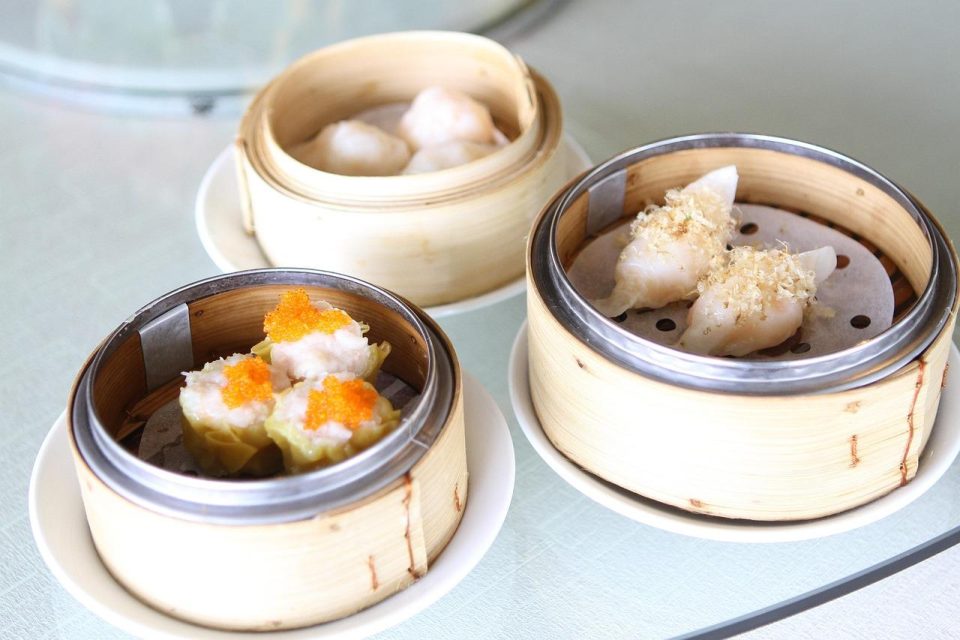
Airport security has seen it all: oversized shampoos, forgotten pocketknives, the occasional snow globe. But J Lee walks up to the X-ray belt carrying something far less ordinary-a box of dim sum, carefully wedged into his overhead-approved suitcase. It’s fragrant, precarious, and wholly out of place among the tangle of charging cables and travel-sized toothpaste.
“J Lee Has Dim Sum in His Carry-On” begins at that strange intersection where home cooking meets air travel, where nostalgia is measured not in miles but in bite-sized dumplings. This is not simply a story about a traveler and his food; it’s about what we choose to bring with us when we’re suspended between departure and arrival, between here and somewhere else.
The curious legend of J Lee and the ever-present dim sum
According to airport folklore, no one has ever seen J Lee board a plane without that battered navy carry-on, the one that rattles faintly like porcelain in a storm. Gate agents whisper that he once flew sixteen hours without a checked bag but somehow produced steaming baskets mid-flight, as if the cabin air itself were a kitchen. The story goes that he learned to pack like a magician: layers of insulated containers, vacuum-sealed parcels, and a mysterious compartment sewn into the lining. Somewhere between security and seat 14C, what looks like an ordinary bag becomes a roaming dim sum cart, trailing the faint aroma of sesame oil and nostalgia down the aisle.
Over time, travelers have turned his habits into a kind of culinary mythos, piecing together their sightings like urban legends shared over stale terminal coffee. They claim his rolling buffet always includes:
- At least one forbidden favorite that mysteriously passes every security scan
- A rotating cast of regional specialties picked up during layovers in cities no one remembers visiting
- A “just in case” tier for the stranger in 23B who looks like they’ve had a terrible day
- An emergency stash reserved for delayed flights and existential crises at baggage claim
Some say the legend persists because every airport needs its own quiet miracle, and J Lee happens to carry his in bamboo and tin. Regulars swear they’ve spotted patterns behind his choices, like an invisible menu written by time zones and boarding groups. If you compare a handful of eyewitness accounts, a curious logic appears, almost like a travel ritual disguised as snacks:
| Time of Flight | Rumored Dim Sum | Supposed Purpose |
|---|---|---|
| Dawn departures | Steamed buns | Gentle wake-up call |
| Red-eye runs | Shrimp dumplings | Keep dreams close |
| Stormy layovers | Turnip cake | Anchor restless feet |
| Final flight home | Sesame balls | End on something sweet |
From steamer basket to security line J Lee’s meticulous packing ritual
It starts in the quiet of his kitchen, before sunrise, with bamboo steamers hissing like distant trains. J lines up each basket like a miniature runway, checking textures and temperatures with almost scientific focus. Har gow must be translucent but not sticky, siu mai plump but not leaking, baos cloud-soft yet structurally sound. On the counter beside them, he stages an array of travel gear-vacuum bags, insulated pouches, gel ice packs, and a small digital thermometer-turning a simple snack into a logistical choreography. To him, every dumpling is fragile cargo, and every fold of dough deserves a safe landing.
Once cooled to his precise standard, each piece is assigned a place and a purpose, almost like packing rare collectibles rather than lunch. He lines a shallow container with parchment, nestling dumplings in tight, protective rows so they won’t collide in turbulence. Sauce packets are double-bagged, then slipped into corners like secret compartments; chopsticks are wrapped in a napkin and tethered with a thin piece of twine. At the edge of the counter, he keeps a small checklist, ensuring that no element is forgotten and nothing risks a leak at 35,000 feet:
- Layered containers to prevent crushing and cross-flavors
- Spill-proof sauce vials labeled and sealed twice
- Insulated pouch for temperature balance mid-flight
- Backup snacks in case security demands a sacrifice
| Item | Carry-On Spot | Priority |
|---|---|---|
| Har Gow Box | Top layer, easy access | Quick snack |
| Char Siu Bao | Middle, padded | Mid-flight comfort |
| Sauce Kit | Side pocket | Flavor control |
| Chopsticks | Front sleeve | Last-minute grab |
By the time he reaches the airport, his backpack feels less like luggage and more like a mobile dim sum cart with trust issues. He navigates the queue with calm precision, mentally rehearsing every zipper he’ll need to open if an agent raises an eyebrow at the dense, fragrant rectangle in the X-ray tray. To the traveler behind him, it’s just another bag inching forward; to him, it’s a hand-carried banquet passing through invisible scrutiny. When the container finally slides out on the conveyor belt, intact and unchallenged, he reassembles his carefully layered cargo with a quiet satisfaction-knowing that somewhere between gate numbers and boarding groups, a small, perfectly packed feast is waiting for its moment.
Navigating airport regulations while keeping siu mai and har gow intact
Security lines turn into obstacle courses when your dumplings are riding in a plastic clamshell. J Lee learned fast that the key is pressure control and insulation. He double-boxes everything: bamboo steamer baskets nestled inside a rigid lunch container, all wrapped in a soft hoodie for shock absorption. The hoodie isn’t just clothing; it’s a custom cushioning system that keeps delicate pleats from collapsing. When the tray hits the X-ray belt, his bag looks suspiciously like a portable dim sum cart, but structurally, it’s a fortress of dough and steam-scented ambition.
- Use airtight containers to contain aroma and moisture.
- Separate sauces in tiny, leakproof bottles under liquid limits.
- Pack vertically so dumplings stack, not slide.
- Label containers with simple descriptions: “Cooked dumplings, no meat broth.”
| Item | Regulation Tip | Dumpling Safety |
|---|---|---|
| Siu mai | Carry as solid food, no loose broth | Snug fit in small compartments |
| Har gow | Avoid overfilling to protect wrappers | Single layer with parchment dividers |
| Dipping sauce | Under 100 ml, clear travel bottles | Store upright in outer pocket |
When a curious agent asks what’s inside, J Lee keeps the script simple: “Cooked dumplings, no liquids, all for personal consumption.” Honesty smooths the way, and clarity keeps the inspection quick. If he’s asked to open the container, he does it carefully on a flat surface, angling the lid so condensation doesn’t drip onto the dumplings’ translucent skins. He’s learned to treat that inspection table like a temporary prep station-fast hands, minimal exposure to cold air, lid back on. The result: regulations satisfied, wrappers unbroken, and a tiny Cantonese banquet ready to re-emerge at cruising altitude.
Temperature control tactics for dumplings that survive long-haul flights
J Lee treats his dumplings less like snacks and more like fragile ecosystems in need of climate control. The first rule: manage the chill, not the freeze. Frozen solid dumplings may seem safer, but the aggressive thaw at 35,000 feet can wreck wrappers and turn fillings watery. Instead, he par-cools them: chilled in the fridge, wrapped in breathable layers, then packed with gel packs that are cold but not rock-hard, staged in a soft-sided cooler bag that fits neatly inside his carry-on. The aim is a steady, cool journey-no wild temperature swings, no sweaty condensation party inside the container.
- Use reusable gel packs at fridge temperature, not just-out-of-the-freezer hard.
- Layer insulation with tea towels, bubble wrap, or neoprene sleeves.
- Vent strategically to prevent steam build-up during airport dashes.
- Reserve overhead-bin space away from heating vents and direct sunlight.
| Phase | Target State | J Lee’s Move |
|---|---|---|
| Pre-Departure | Cool & firm | Fridge overnight, no steaming |
| Security | Chilled, TSA-friendly | Gel packs, clear explanations |
| In Flight | Steady temp | Under-seat storage, bag half-zipped |
| Landing | Ready to reheat | Quick transfer to fridge or steamer |
Inside the carry-on, micro-zones of climate emerge like tiny dim sum districts. J Lee keeps meat-filled dumplings in the coldest pocket, closest to the gel packs, while vegetable and shrimp varieties ride in slightly warmer corners to avoid textural rubberiness. Containers are stacked with intention: heavy buns at the bottom, delicate crystal skins on top, each sealed but not suffocated, allowing minimal air flow to prevent sogginess. If there’s a layover, he treats the lounge like a pit stop-fresh ice replacements, a quick inspection for condensation, a subtle shift of containers to keep the most perishable fillings in the safest, coolest part of the bag. By the time the wheels touch down, the dumplings haven’t just survived; they’ve kept their structure, scent, and bite, as if the cabin air had been seasoned just for them.
Choosing the right containers to balance aroma freshness and discretion
J Lee’s dumpling survival kit lives and dies by the vessel. A hastily packed set of shumai in a flimsy clamshell will perfume the entire boarding group, while a well-chosen bento-style box keeps the scent locked down until tray tables are lowered. Think of containers as your first line of defense between luscious sesame oil and the recirculated air of row 22B. The sweet spot is a setup that lets steam escape just enough to avoid sogginess, while sealing in the kind of aromas that make seatmates start scanning for an in-flight restaurant that doesn’t exist.
- Hard-sided, gasket-sealed lunchboxes that snap shut like they’re guarding state secrets
- Glass containers with silicone lids for sauce-heavy har gow that like to leak and linger
- Layered inserts to keep chili oil, soy, and scallion toppings from turning everything into a fragrant stew
- Neutral-smelling liners (parchment, reusable wraps) to keep yesterday’s curry from haunting today’s char siu bao
| Container Type | Aroma Control | Discretion Level |
|---|---|---|
| Silicone pouch | Holds steam, mild scent | Quiet, flexible |
| Steel tiffin | Locks down strong smells | Looks like lunch, not contraband |
| Vented bento | Releases heat, less fog | Subtle, tidy |
J Lee layers like a pro: dumplings in the innermost, tightest-sealed box; sauces quarantined in tiny leak-proof pods; everything nested in a simple tote that looks more “laptop” than “late-night dim sum run.” This Russian-doll approach means he can crack open just one compartment mid-flight without unleashing the full orchestra of ginger, garlic, and star anise at once. The visual profile stays low-key, the fabrics around him stay scent-free, and the only clue that he’s smuggling a bamboo steamer’s worth of comfort is the satisfied look when he bites into a still-warm pork bun somewhere over the Pacific.
In-flight etiquette when your carry-on smells like a Hong Kong tea house
There’s a special kind of suspense in watching a flight attendant eye your overhead bin like it’s about to start a revolution. The moment that wisp of ginger, scallion, and sesame sneaks past the recirculated air, heads turn, nostrils flare, and everyone starts silently playing “Guess That Smell.” To keep the cabin from becoming your personal street-food alley, double-bag your bao, tuck any sauces into leak-proof containers, and slide everything into a hard-shell tote that seals tight. Think of your dumplings as VIPs in a fragrance witness-protection program-present, precious, but pleasantly anonymous.
- Choose “plane-safe” dishes: baked buns over fried squid.
- Silence the slosh: no open soup, no runny congee, no wobbly tofu tubs.
- Keep it low-key: small portions, no crinkly mountains of plastic.
- Time it right: open food only during meal service, never during a midnight cabin lull.
| Snack | Aroma Level | Seatmate Reaction |
|---|---|---|
| Egg tarts | Mild & buttery | Curious, slightly hungry |
| Char siu bao | Sweet & savory | Envious, politely silent |
| Dried squid | High alert | Googling “airline complaint form” |
Sharing dim sum at 30,000 feet building community from a tiny tray table
It starts with a quiet clatter: foil lids peeling back, bamboo-scented steam escaping into the recycled cabin air, curious glances drifting over the aisle. J unfolds a small napkin like it’s a linen tablecloth, arranging dumplings with almost ceremonial care. What was just a cramped seat becomes a pop-up tea house at cruising altitude, where conversation can be passed around as easily as soy sauce packets. Before long, strangers who were pretending to sleep are sitting a little straighter, noses tilted toward the unmistakable perfume of sesame oil and ginger.
The tray table becomes a kind of shared border, crowded with stories as much as snacks. A neighbor mentions their grandmother’s recipe; another confesses this is their first time trying anything beyond fried rice. J responds by nudging a bamboo steamer closer, turning the moment from private indulgence into communal experiment. Simple gestures act like invisible invitations:
- Offering one extra dumpling to the hesitant traveler in the next seat
- Swapping snack packs for hand-folded wontons
- Trading flight tips for chopstick lessons
- Sharing tea bags to stretch a single cup of hot water into a tiny ritual
| Item | Seat Reaction | Shared Moment |
|---|---|---|
| Shrimp dumpling | Raised eyebrow | “Tastes like home.” |
| Char siu bun | Instant smile | Childhood story swap |
| Sesame ball | Careful first bite | Photo for the group chat |
| Thermos of tea | Relaxed shoulders | Quiet pause together |
What J Lee’s carry-on reveals about memory migration and comfort food
When security scans reveal bamboo steamers and neatly packed takeout boxes, they’re not just seeing snacks – they’re glimpsing a portable archive of a life lived between places. In that overhead bin, J Lee is stashing more than food; he’s carrying the scent of weekends with grandparents, the clatter of restaurant carts, and the quiet ritual of sharing plates that never arrive one at a time. Each dumpling becomes a kind of edible timestamp, preserving a version of home that might not exist in the arrival city. The airport, with its sterile lighting and generic franchises, turns into a stage where private traditions resist being flattened into a single, globalized flavor.
This is how memory migrates: not as a grand narrative, but as a series of small, stubborn choices you tuck into your bag. The contents of his carry-on act like a curated menu of origin stories:
- Har gow that recalls the aunt who always ordered extra “just in case” someone was still hungry.
- Char siu bao that tastes like the reward after long Sunday drives to the only dim sum place in town.
- Turnip cake that carries the quiet authority of family elders insisting, “This is how it’s always been done.”
- Sesame balls that blur the line between dessert and nostalgia, sticky with sugar and old jokes.
Each item also negotiates a new relationship with comfort in transit, adapting to altitude, time zones, and unfamiliar terminals. What survives the journey becomes a map of what someone refuses to leave behind. The interplay between past and present can even be read in the simplest details:
| Item | Memory Anchor | Travel Role |
|---|---|---|
| Har gow | Childhood Sundays | First bite after takeoff |
| Char siu bao | Family road trips | Meal between time zones |
| Turnip cake | New Year gatherings | Quiet comfort in layovers |
Practical tips for travelers inspired to pack their own dim sum journey
Think like J Lee and treat your suitcase as a roving tea house. Before you even touch a dumpling wrapper, check airline and customs rules for carrying food across borders, especially meat and fresh produce. Once you know what can legally fly, build a tiny “dim sum kit” that tucks neatly into your carry-on: a compact bento box, a leakproof sauce bottle, and a slim ice pack to keep fillings safe. For dry snacks like sesame balls or almond cookies, layer them in reusable silicone bags and cushion them with your clothes-your socks become shock absorbers, your sweaters the insulation that keeps each bite intact.
- Choose sturdy bites (baked buns, turnip cakes) over fragile wrappers for turbulence-proof snacking.
- Portion smartly using mini containers so flavors stay distinct and easy to share with a seatmate.
- Pack aromas politely by double-wrapping anything garlicky so your dim sum doesn’t dominate the cabin.
- Schedule your tasting around beverage service; tea from the trolley turns an aisle seat into a corner table.
| Dim Sum Item | Best for | Carry-On Tip |
|---|---|---|
| Baked BBQ Pork Bun | Gate delays | Wrap in foil, then a napkin |
| Turnip Cake Slices | In-flight brunch | Pack flat in a shallow box |
| Egg Tart | Landing treat | Give it its own snug corner |
| Lotus Seed Cookie | Quick layovers | Keep a few in your jacket pocket |
Wrapping Up
In the end, “J Lee Has Dim Sum in His Carry-On” isn’t just a quirky travel anecdote; it’s a small act of defiance against blandness, a refusal to let distance dilute identity or taste. The dumplings cooling in the overhead bin become a quiet statement that home is not a fixed place on a map, but something you insist on carrying with you-ginger, steam, crinkled paper box and all.
As the plane descends and the seatbelt signs glow to life, the story lands on a simple truth: the things we pack say as much about us as the places we’re headed. J Lee chooses to cross borders with a little metal fork, a plastic sauce packet, and a stubborn belief that there is always room-somewhere between the laptop and the passport-for a bamboo-scented reminder of where he comes from.
By the time the wheels touch down, the dim sum has cooled, the cabin lights have brightened, and the world outside the window has changed. Yet in that overhead compartment, nestled among duty-free bags and anonymous suitcases, something quietly remains: the taste of home, waiting to be unwrapped, one bite at a time.
